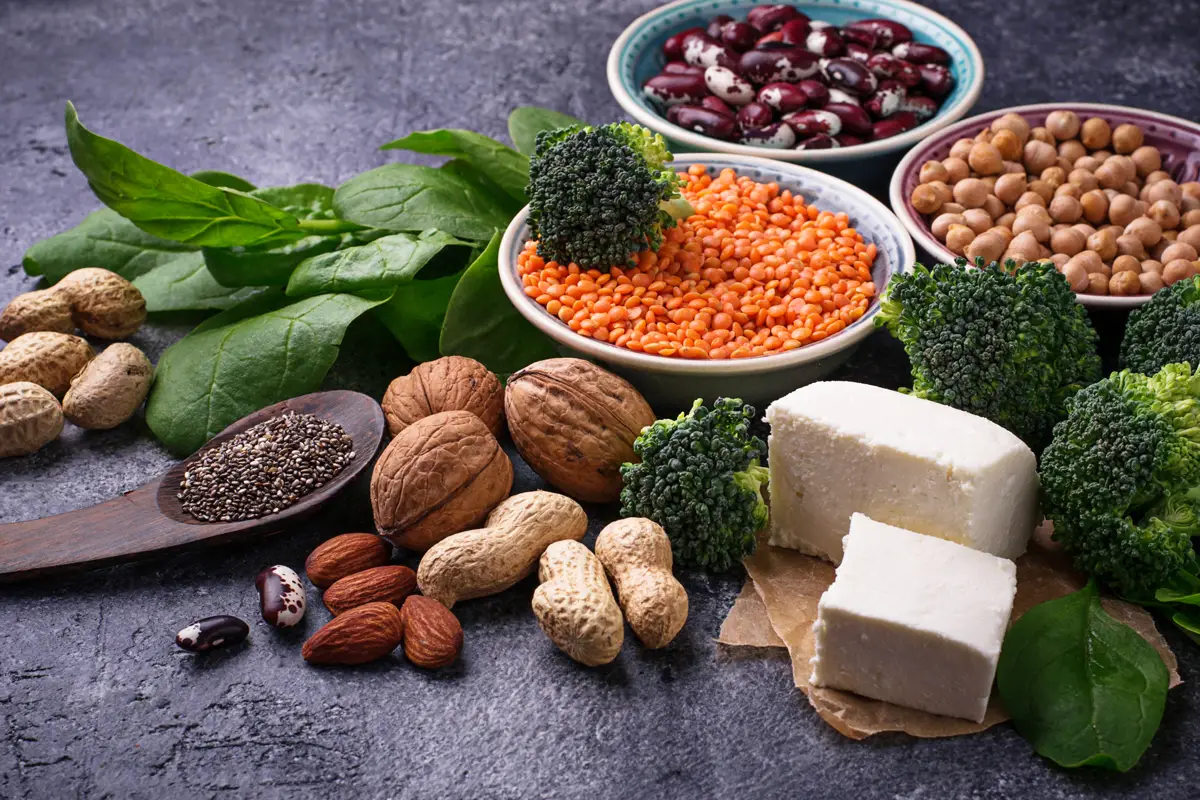



Let’s learn how adding magnesium-rich foods or supplements can dramatically improve your health. Let’s uncover the wonders of magnesium together!
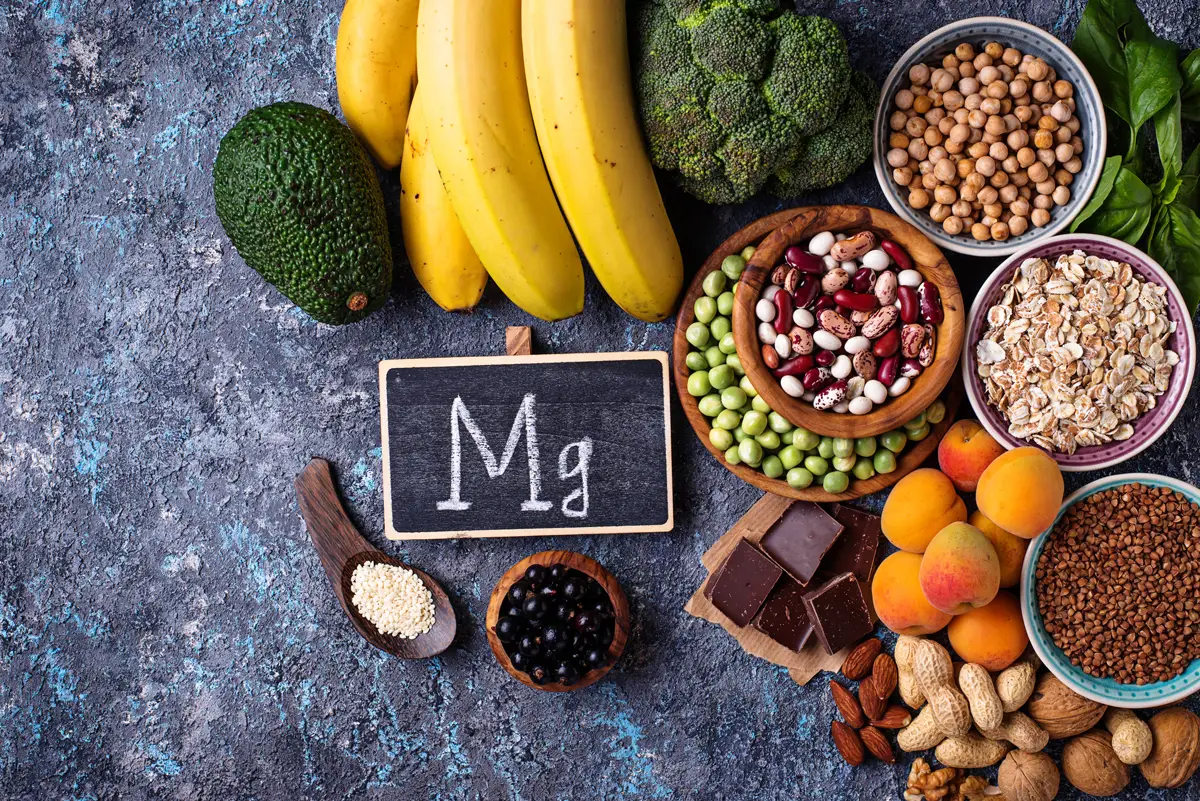
Welcome to the world of magnesium, a mineral that is often overlooked but plays an essential role in our overall health and well-being. From controlling blood pressure to regulating muscle function, this powerful nutrient has been known to work miracles for centuries. Discover the health benefits and risks of magnesium, Magnesium in everyday food like spinach and almonds, and its impact on your body.
Let’s learn how adding magnesium-rich foods or supplements can dramatically improve your health. Let’s uncover the wonders of magnesium together!
About 60 percent of the Magnesium in the body remains in our bones; Over 25% of magnesium remains in the muscles. Food refining and processing removes the magnesium from them. Our daily balanced food intake generally takes care of our daily magnesium needs. Prolonged low levels of magnesium make us vulnerable to severe diseases. Magnesium is also tasked with pumping sodium from our cells and pumping potassium into our cells.
Magnesium is an essential mineral for good health. It is involved in large number of biochemical reactions in the body and is needed for the proper functioning of muscles, nerves, and enzymes.
Magnesium also helps regulate blood sugar levels, improve blood pressure, and support a healthy immune system.
Individuals who are taking medicines for acid reflux may have to take more magnesium.
If you’re looking to add more magnesium to your diet, there are a few things you can do. First, eat more magnesium-rich foods such as dark leafy greens, nuts, and seeds. You can also take a magnesium supplement or add Epsom salt to your bathwater for a relaxing soak. Finally, make sure you’re getting enough calcium in your diet as well, as magnesium and calcium work together to maintain bone health.
Magnesium is destroyed during the processing of food, so try to eat whole foods.
The recommended dietary allowance (RDA) for magnesium is 350 mg per day for adult males and 280 mg per day for adult females. However, this amount can vary depending on other specific factors.
Amount of magnesium in everyday food
| FOOD | MAGNESIUM |
|---|---|
| Almond (100 gms) | 270 mg |
| Peanuts (100 gms) | 175 mg |
| Millets(100 gms) | 160 mg |
| Wheat (100 gms) | 160 mg |
| Brown Rice (100 gms) | 86 mg |
| Milk (100ML) | 14mg |
| Spinach (1 cup cooked) | 157 mg |
| Almonds (1 oz) | 80 mg |
| Black beans (1/2 cup cooked) | 60 mg |
| Brown rice (1 cup cooked) | 42 mg |
| Avocado (1 medium) | 58 mg |
| Banana (1 medium) | 32 mg |
| Salmon (3 oz cooked) | 26 mg |
| Dark chocolate with 70% cocoa solids (1 oz) | 95 mg |
Wheat germ is an excellent source of magnesium. 100 gms of wheat germ contains approximately 330 mg of magnesium, making it one of the most concentrated sources of this mineral. Wheat germ is also high in other essential nutrients such as iron, potassium, zinc, and B vitamins. It can be added to smoothies, yogurt, oatmeal, or salads for a boost of nutrition. However, individuals having wheat allergies and kidney stone problems should avoid it.
When taking magnesium supplements, it is important to be aware of the potential side effects. These can include diarrhea, nausea and vomiting, stomach cramps, bloating, and gas. Some people may also experience headaches, dizziness, or difficulty sleeping. If you experience any of these side effects, it is recommended that you stop taking the supplements and speak to a healthcare professional. Individuals having kidney or heart problems should take magnesium supplements with their treating doctor’s advice.